
What makes a Headlong show?

A View from a Bridge. Image: Rich Lakos
Welcome to our series exploring the choices we make about the work we present.
Behind every Headlong production sits a run of deliberate conversations and decisions about resonance, risk, values and relevance. This series is our attempt to let you into that thinking through one central question: what makes a show a Headlong show?
We'll look at this through different lenses - the classics we revive, the adaptations and retellings we explore with writers, new writing we commission, the artists we develop, the voices we platform, the places we tour to, and the relevance and purpose we chase in old texts and stories.
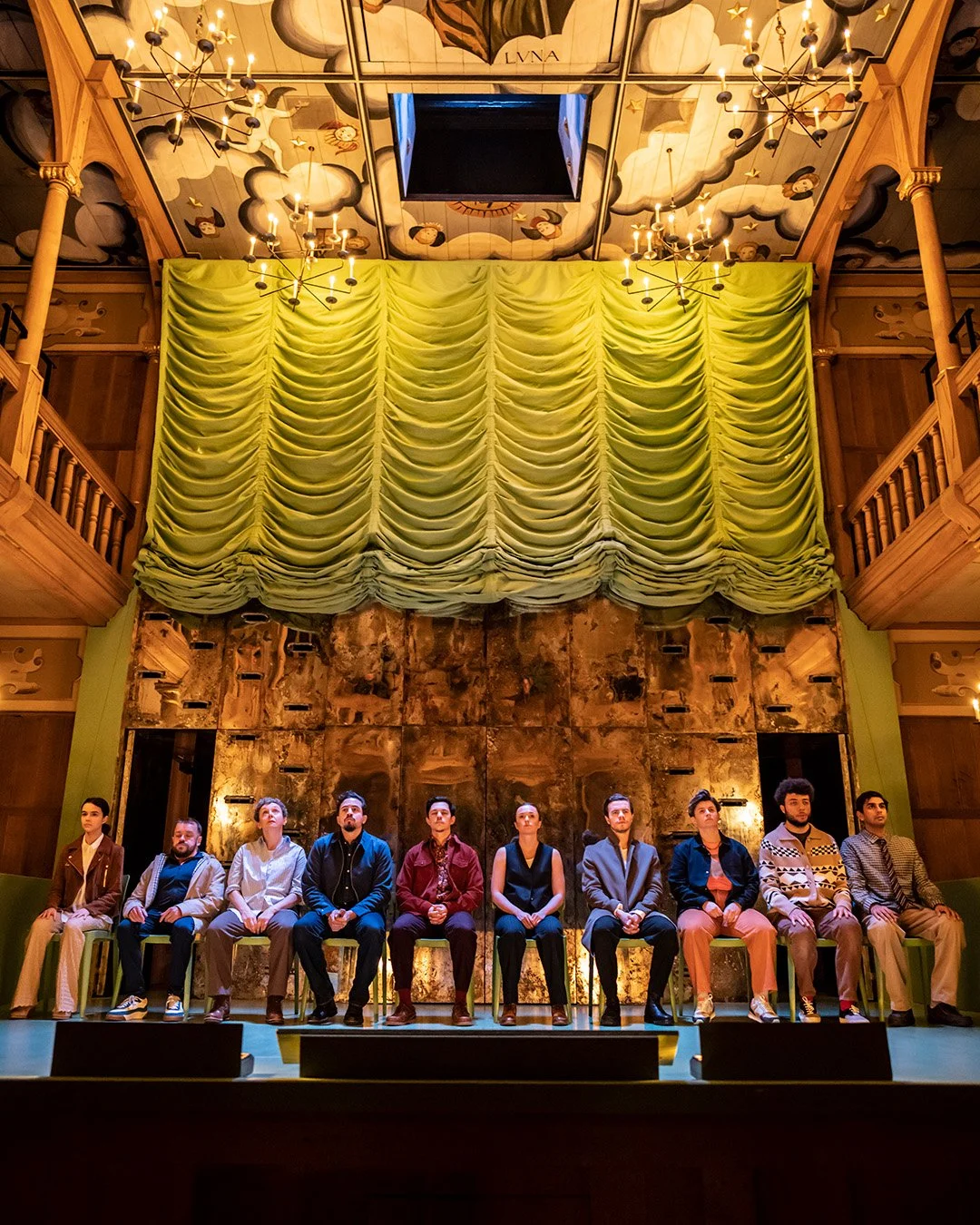
Henry V at Shakespeare’s Globe. Image: Johan Persson
Reviving the Classics
When we ask how we revive a classic play to feel like a Headlong show, we start with a set of key questions:
Does this play still have something urgent to say?
Why would we do it now? In this space ? For this audience?
How can we bring it into conversation with today?
If those questions don't spark a clear answer, then we let the play go.
If the spark is there then everything else follows.
The director that can bring that fresh new take. The design and staging that lifts the story into a new visual setting. The sharp new edit. The shift in emphasis on one character over another that swivels focus onto something previously unseen.
All these choices present our audiences with an invitation: come and see something in a new way.
We're chasing a particular alchemy with these questions. We want a page-turner of a plot and roles that actors will bite our hand off to play. We’re trying to find work and words that move people viscerally. And always we’re looking for an urgent socio-political charge. Something plugged into what people are talking about right now.
We also want mainstage ambition and scale - something with a little swagger. Powerful writing combined with big theatrical ideas and design, that fills large stages and packs an emotional and visual punch.
Our shows also need to earn their stripes for touring. Can it be agile and made responsibly in terms of our people and the environment? Does it hold relevance - and resonance - for audiences as it moves around the country?
The decision to bring a play to stage is never taken lightly. Whose stories and voices get seen and heard on stage is as much a question of power as it is taste.
Reviving a classic text can be a political act.
August Wilson
August Wilson’s Fences is an unmistakable classic play with something urgent to say about fathers and sons, love, and endurance.
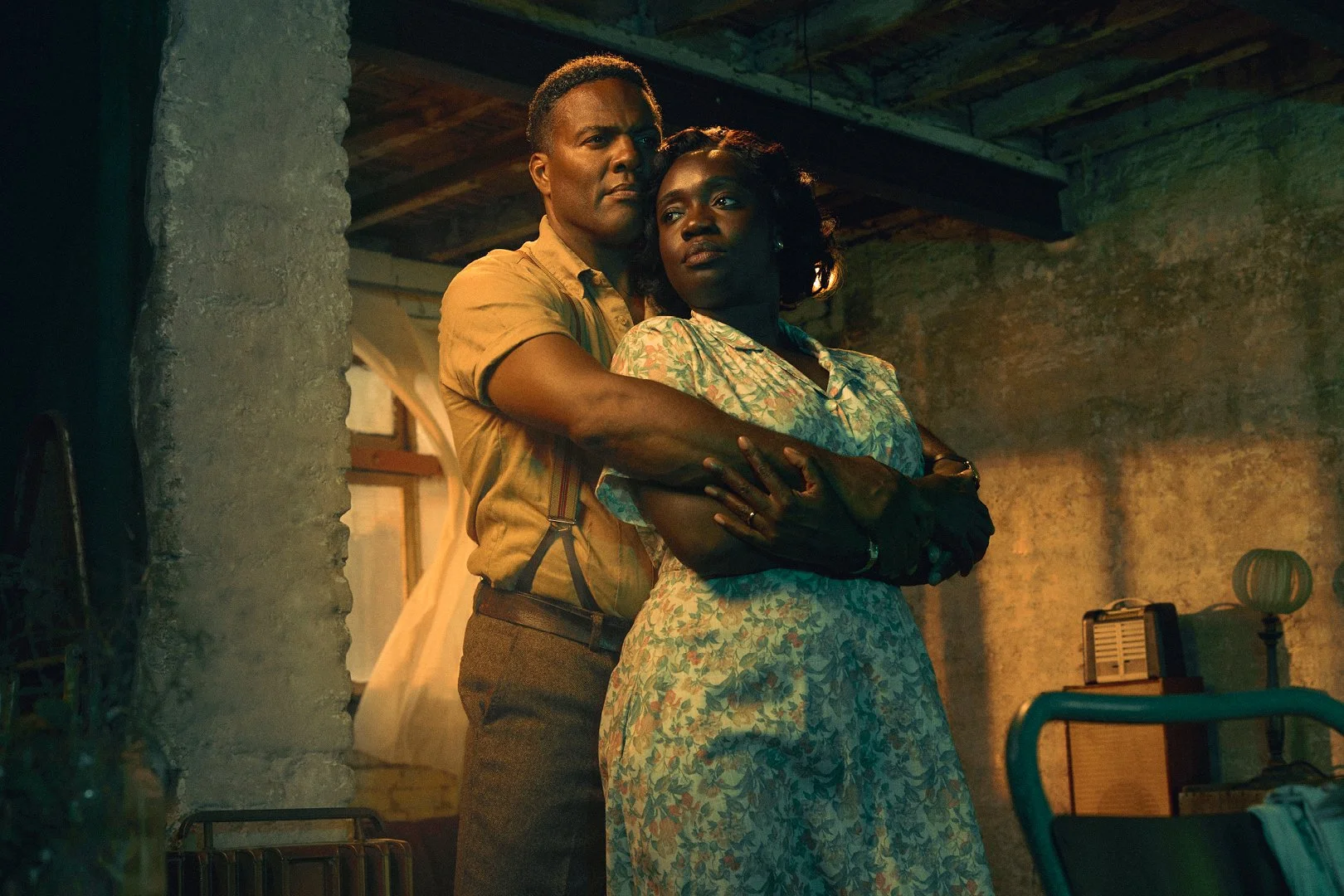
August Wilson’s Fences. Image: Rich Lakos.
One of Wilson’s closest creative collaborators Stephen McKinley Henderson refers to his writing as:
"both poetic and gritty with a rhythm and flow that I call the ‘Blues Iambic’. Fences epitomises this poetic musicality.”
Stephen McKinley Henderson (Bono in Fences, both on Broadway and in Denzel Washington’s Oscar nominated film in 2016.)
Centring a Black American family’s experience of holding on to dignity and familial love in the shadow of structural racism in mid century America, Wilson's questions about the past still loom large in our present.
However, despite being a seminal masterpiece of character, language and political writing, Fences hasn’t been performed in the UK in the last 10 years and has never been toured nationally.
Shakespeare
Sometimes revitalising a classic is about bringing a seminal play to new audiences. Sometimes it's about making audiences see a play in a new way.
In the case of Shakespeare, how do we treat a play that people have experienced time and time again and taken into their hearts? That’s where the conversations might dig further into drawing out the new and current resonance.
With our recent production of A Midsummer Night's Dream, we turned what is commonly seen as one of the frothiest of Shakespeare’s comedies, on its head to find new meaning. Where Shakespeare wrote of seasons turned upside down, we saw scenes of devastation wreaked by climate change.
The stuffy rules of the court and of courtship became oppression wrought by men’s political whims Fairyland a dark mirror to the abuses and transgressions of the real world.
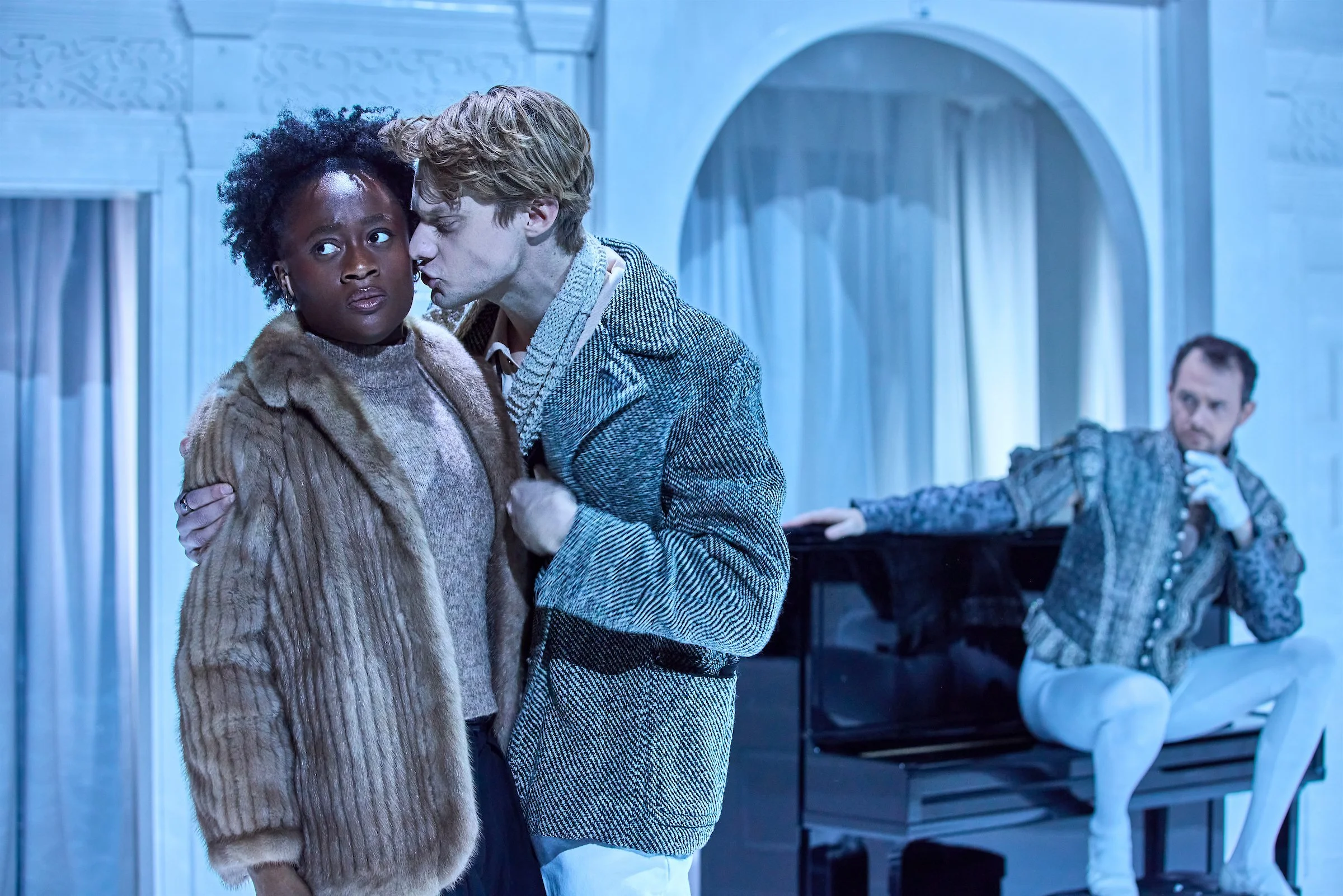
A Midsummer Night’s Dream. Image: Helen Murray.
Our Bottom dreams of being an artist, but we were asking, who gets to dream under totalitarianism?
Our choice to pivot to a distinctly bloodier ending than audiences are used to was a deliberate shock to the system. A reminder that sometimes you can’t wake up from a nightmare.
In this act of turning the familiar on its head, can we invite a new, younger and more diverse generation of audiences to feel closer to Shakespeare's genius than distant from it?
And for existing theatre lovers, we want to offer up the chance to revel in his genius and the constant reinvention that his writing invites.
Coming soon…
We’ll be exploring more questions like this throughout this new series, so stay tuned.
Next up - our own approach to expanding, maintaining and nurturing the future canon - classics, adaptations and new writing alike.