
DIRECTOR DETAILS: DANIEL BAILEY ON FENCES
We sat down with Director Daniel Bailey to discuss his process for bringing August Wilson’s Pulitzer-Prize winning masterpiece to life.
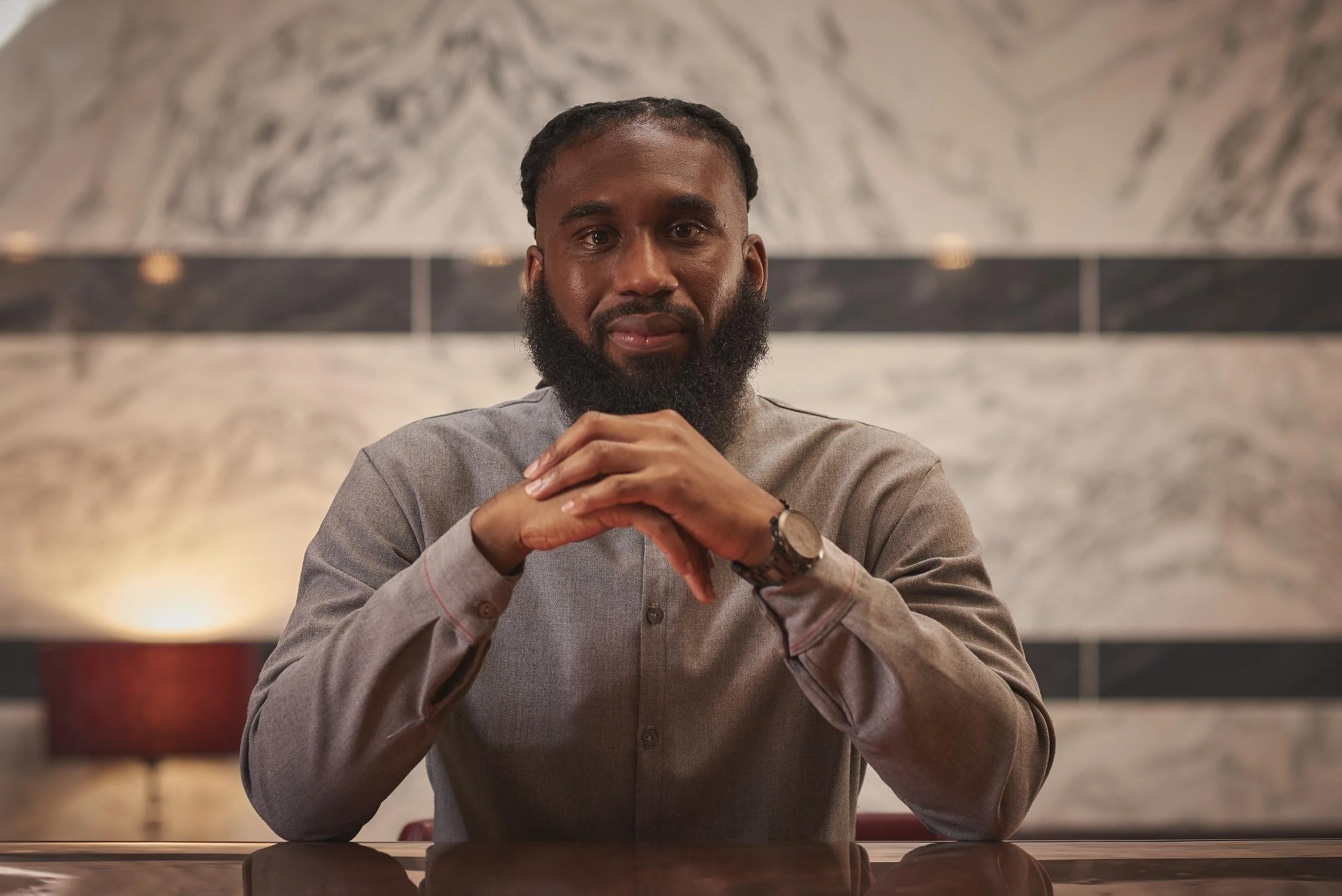
When working with actors, what are your starting points for supporting character development and building relationships that transition onto the stage?
The starting point is always about how we build the world and having a shared agreement about what the world is. So there’s facts and there’s questions, which is a tried and tested method and something I use all the time. The facts allow us to build upon the foundation and the questions allow us to make educated assumptions, or what I might call ‘safe assumptions’, about these characters and their lives.
So, for instance, it’s a fact that Troy went to prison. It’s an assumption that he shared a prison cell with Bono. We know that they were in prison at the same time, but it’s an assumption, it’s not a fact, that they shared the same prison cell. But that might help with how close they are or how intimate they might be, if they shared a cell together. Those are safe assumptions, based on the fact that we know they were both in prison together.
One of the themes within the play is masculinity. How will you explore this, and how are you refocusing the lens to allow female voices to have more prominence?
It’s a loaded question, but a very good question. I think that a lot of masculinity is about sometimes the lack of femininity, and so we’re going to work super hard on understanding what femininity is for those characters, particularly our characters that would be seen as maybe the alpha male.
But also, for us to refocus and for us to give voice to our female characters, which there are only really two of, and that’s Rose and Raynell. Rose speaks about singing, and I think that’s also a metaphor for her, that she – despite not maybe having all of the dialogue or majority of the dialogue – she is able to sing in our version of Fences. And that singing will communicate something slightly different, which is again of the feminine.
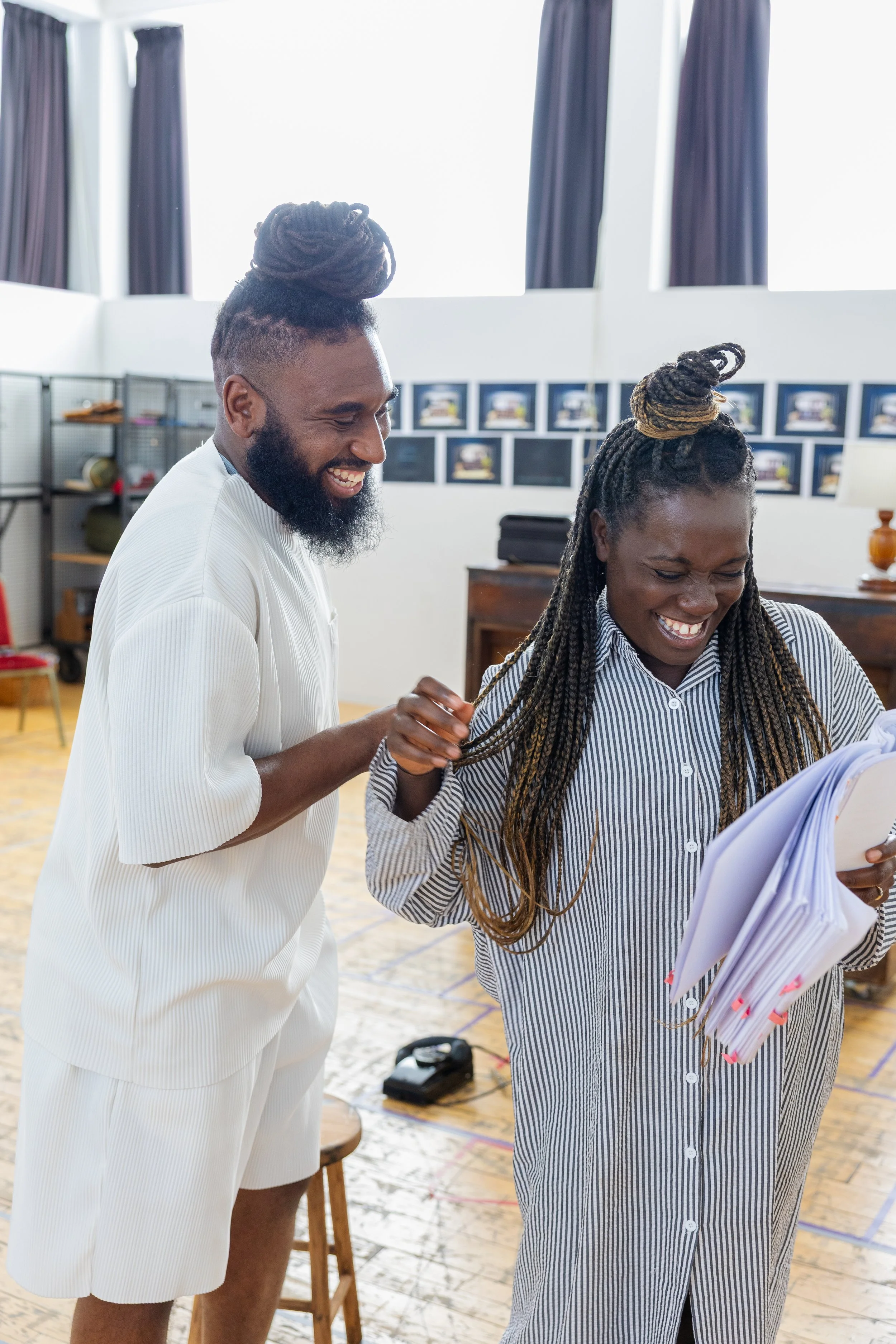
Can you describe how you are collaborating with the other creatives on this production? Music is very important to you – how are you working with music in this production?
All of the designers I collaborate with, including our stage management, have contributed to what you’re going to see on stage, and music has a very integral part because I think each of these characters have some sort of musical ability. They all have a version of a song and they don’t have to be the greatest of singers, it’s just about the musicality that exists in them as people.
A lot of Troy’s gripes are about the brilliance that he had and was never able to express because of the colour of his skin and where America was at that time. I think that, added with each of these characters’ creativity, also tells this story about the brilliance of these people, and not being able to fully express it or fully explore their own potential because of where they were in the world and what was happening in the world.
How influenced are you by previous productions of Fences?
I was lucky enough to see a version in London in 2013, that starred Sir Lenny Henry and also Tanya Moodie. It was a phenomenal production. I’m hoping that we’ve all done justice and honour to August’s words, and to make sure that we represent it in the best way possible. I think even with Denzel’s version (Denzel Washington) that I’ve seen on screen, I think he took a particular route because of what screen offers.
The theatricality that we want to bring should feel different to what we’ve seen before. It should feel like an almost reimagining of this play, but with all the same dialogue, and all the same dynamics, and all the same stakes, with added theatrical language that might open up different conversations for audiences in 2026 and beyond.
I’m hoping that we get to create a new legacy of what Fences is and what Fences means.

Thank you Daniel for sharing your thoughts and process with us!
Fences is touring now. Find out more.
