
A different take on A Midsummer Night’s Dream
At Headlong we stage classics as if they were brand new. We ask audiences to see afresh stories they think they know. Our reimagining of A Midsummer Night’s Dream reveals a volatile world, unsettlingly close to our own.
To tell a relevant story to our contemporary audiences, we dug into the history. We looked at what was really going on at the time Shakespeare was writing. The late 1590s was a time of significant population growth, war, food uncertainty, and riots. There was a growing divide between rich and poor, with sensationalist literature stoking fears of unrest.
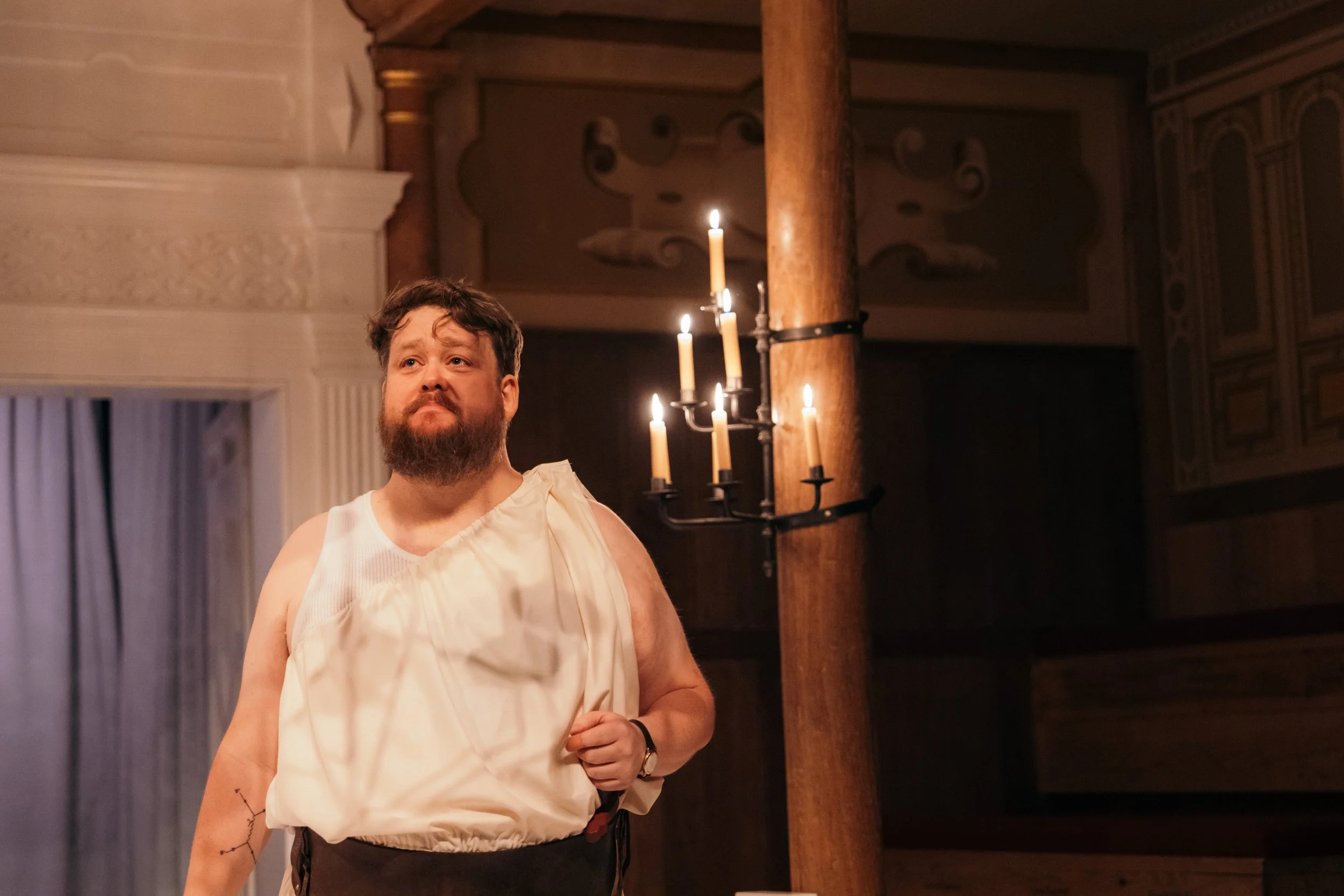
One example that informed our interpretation is the Oxfordshire rising. It took place in November 1596, led by tradesmen, like the mechanicals of Dream. This act of revolt was catalysed by the bad harvest and common land being fenced off. A small group of impoverished men developed a plan to seize weapons and armour and march on London. They were arrested, imprisoned and executed.
Photograph: Helen Murray
Key questions
A Midsummer Night’s Dream is a rich text to revisit. Directors Holly and Naeem worked closely with Designer Max Johns and Dramaturg Frank Peschier. Together they thought anew about the big questions it asks. What does the play say about control, autonomy and what happens when nature breaks down?
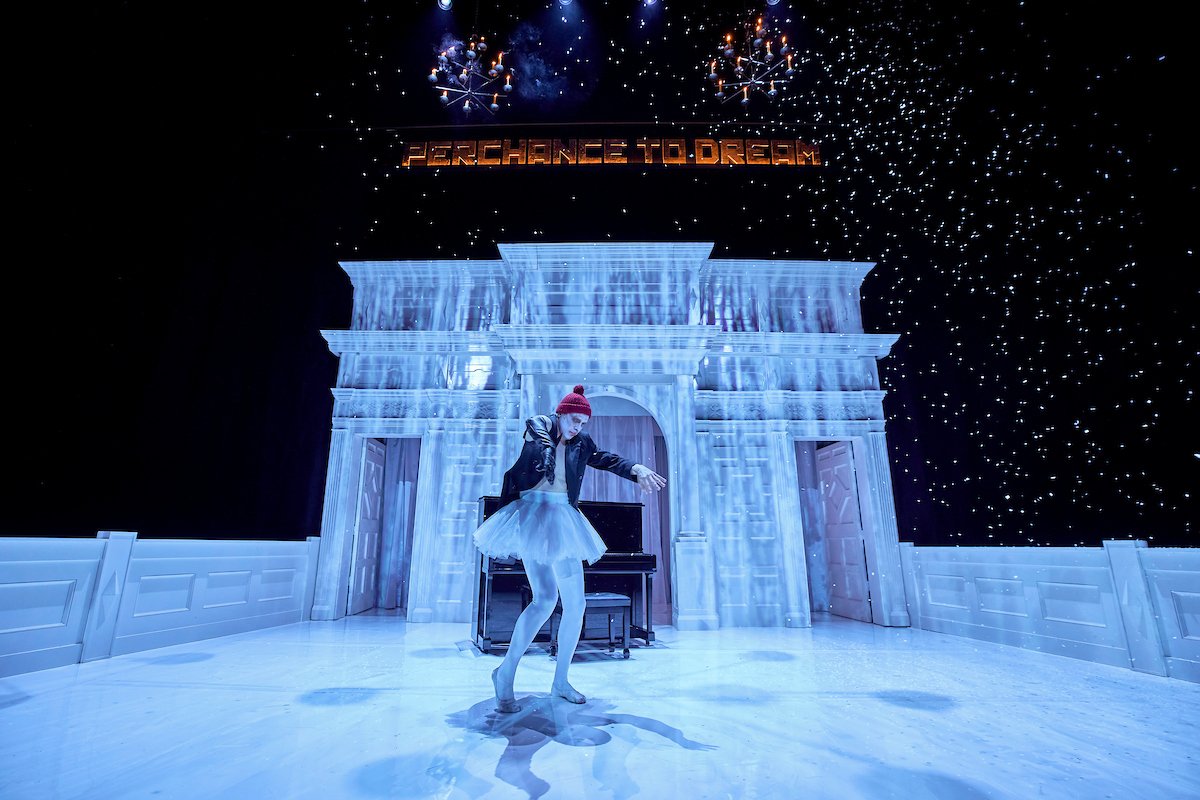
The production explores themes that will resonate deeply with modern audiences. Snow falls in summer, the seasons are inverted, and nature itself is destabilised. It offers a direct mirror of our own climate crisis and its anxieties.
It also takes on questions of power and authority, never more relevant. Athens is ruled by strict, patriarchal law. It echoes today’s debates about individual freedom, state control, and who gets to decide the rules we live by.
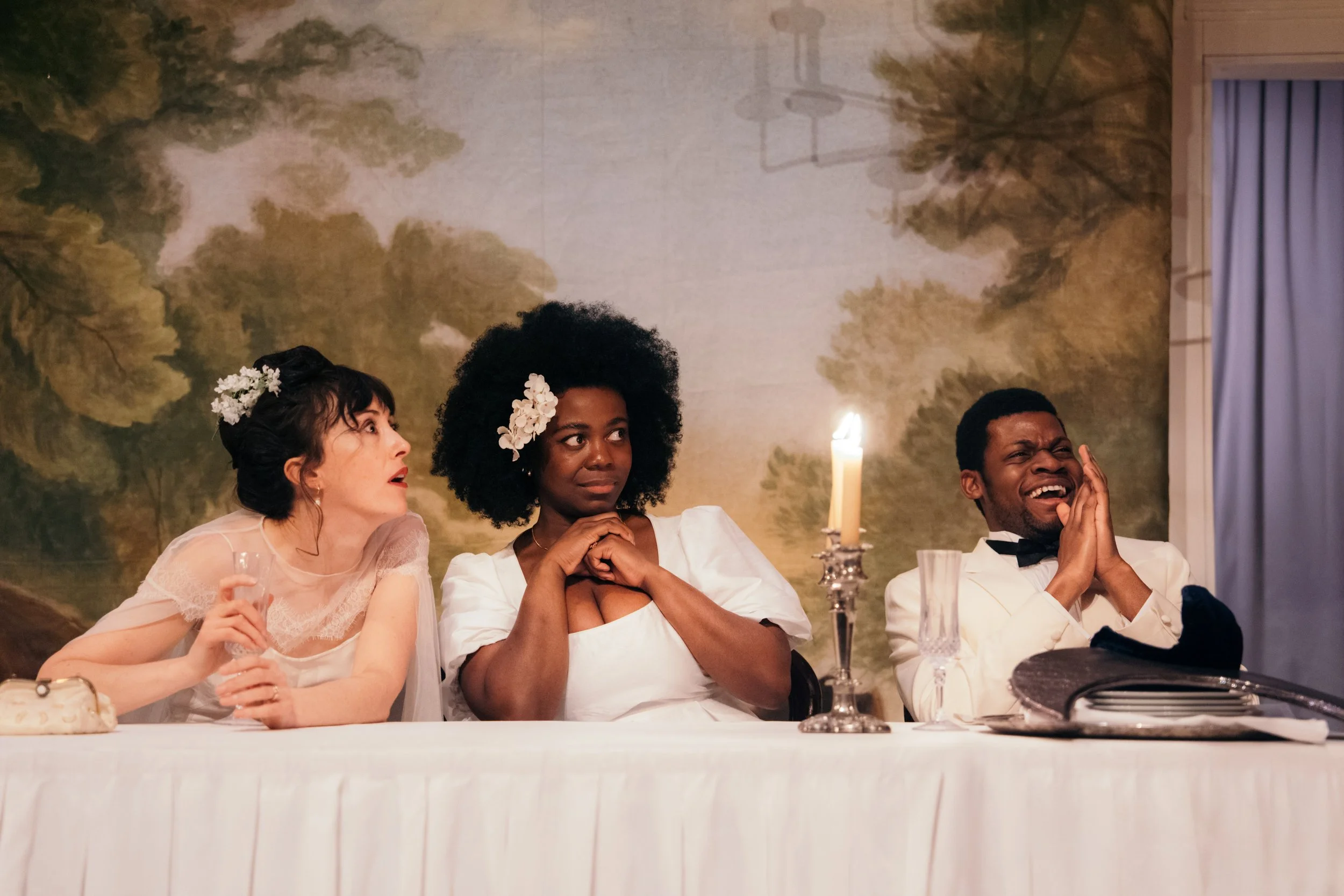
The text also lends itself to reflections on gender and autonomy. From Theseus and Hippolyta’s marriage to Titania’s resistance against Oberon, questions of women’s agency and control over bodies and futures are front and centre.
Photograph: Rich Lakos
So, why now? Why this play?
A play about chaos, magic, and power games? That feels eerily familiar right now. In A Midsummer Night’s Dream we see the boundary between waking life and dream collapse. It reflects today’s sense of instability, disorientation, and the difficulty of knowing what is real.
Did Shakespeare predict today’s world? Where snow falls in summer, truth is bent by jesters, and order never quite returns?
TOURING NOW
Leeds Playhouse: 14 - 28 Feb
Bristol Old Vic: 4 - 21 Mar
Oxford Playhouse: 24 - 28 Mar